
Our
company history
The AMS family tradition is in every watch.
From the beginnings to today - our development through the ages.
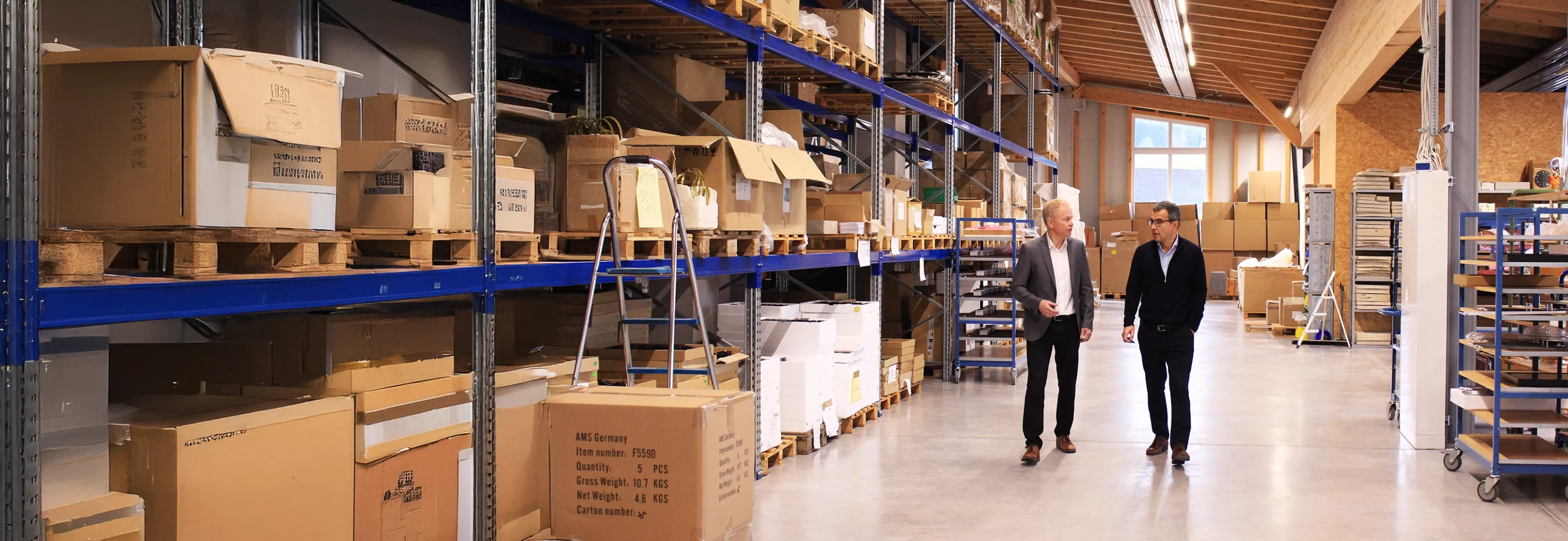
Today – tradition in the 6th generation
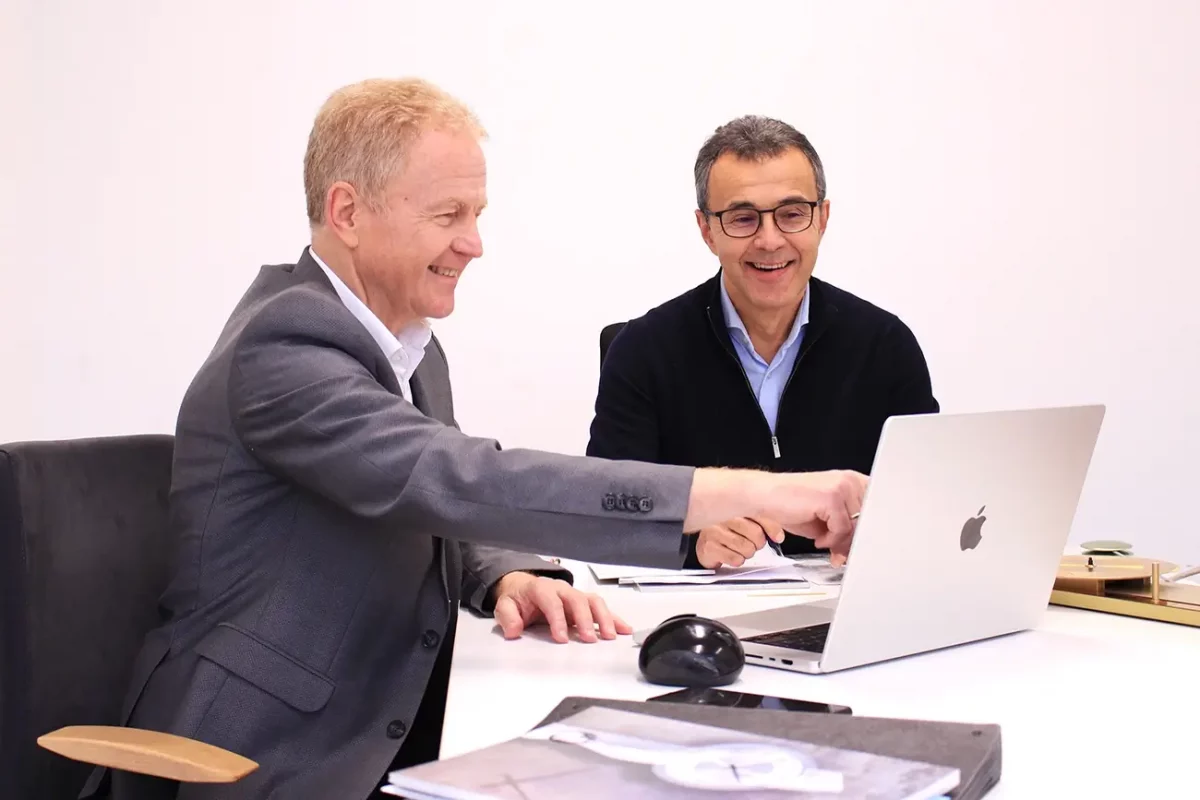
Clear agreements and decisions for the concerns and interests of our customers are prerequisites for successful business development
2021 – New factory building
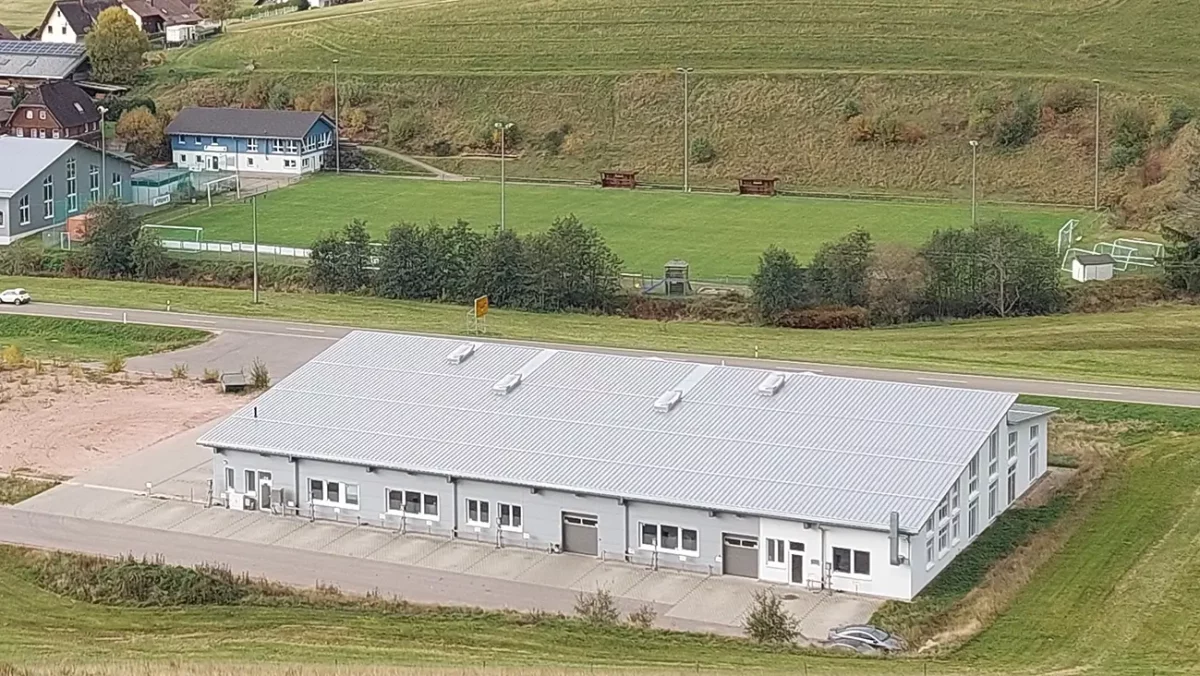
With the growing sales volume, production will be optimized in 2021. The mechanical watches will remain in the existing building. Radio-controlled and quartz watch assembly and surface work will be relocated to the new building across the street.
2020 – Inhorgenta trade fair stand
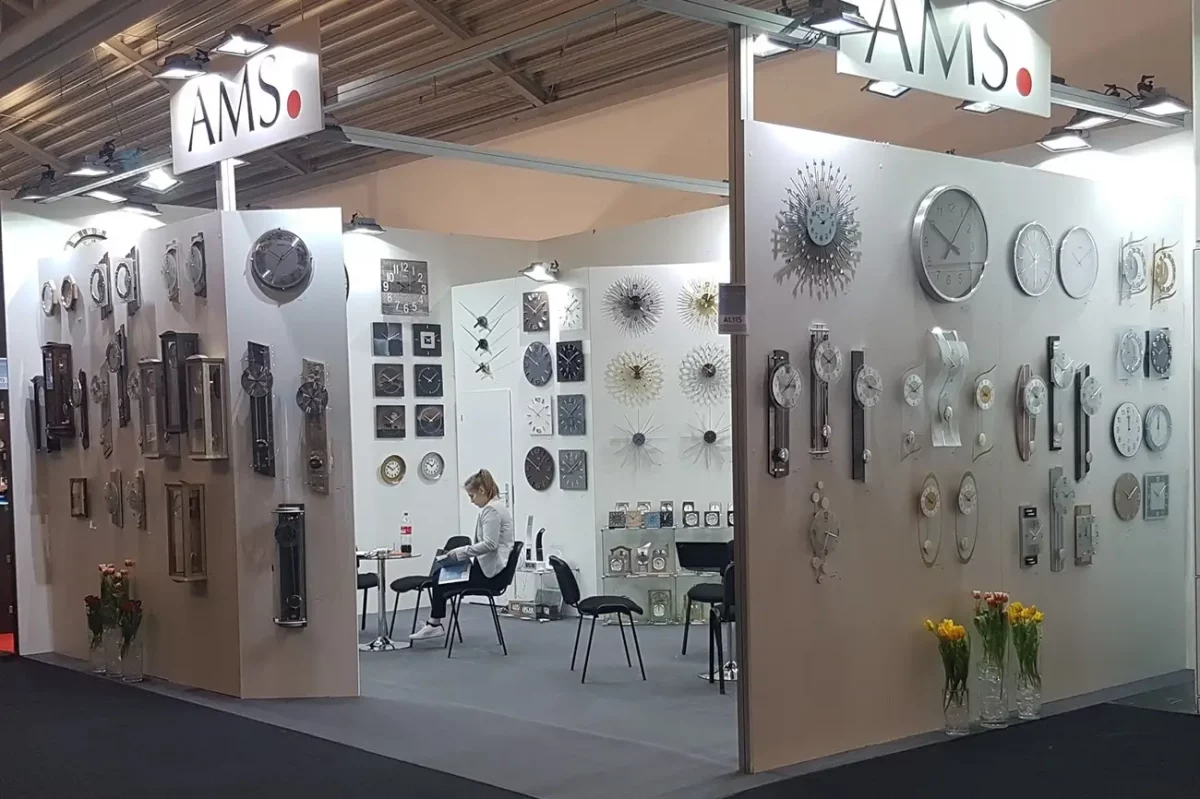
We maintain our customer contacts and face up to the competition with annual presentations of the current collection at various trade fairs in Germany and abroad. This is the best way to recognize and assess the response to our watches and market developments.
2001 – Modern logistics
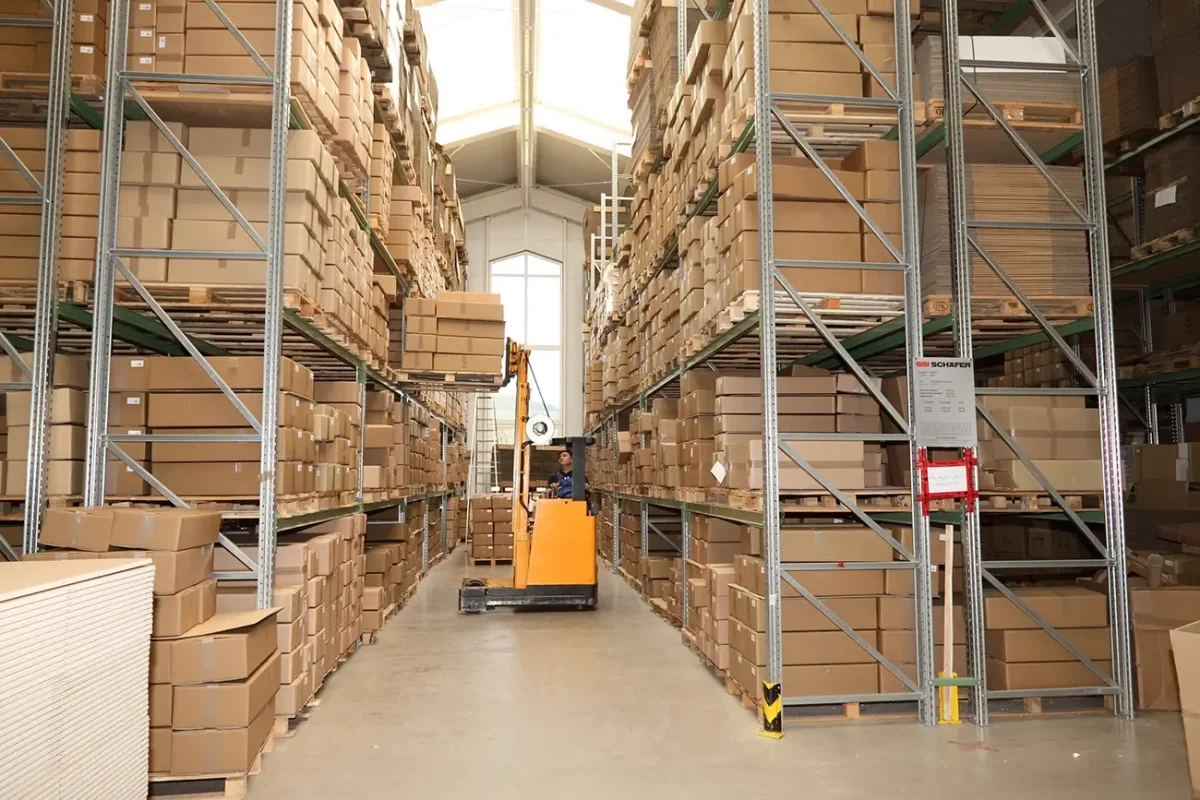
The existing building is supplemented by a newly built warehouse with a spacious pallet rack storage facility. Efficient storage and shipping of the watches all over the world is the basis for the success of the AMS collections in the specialist trade and in cooperation with international partners.
1992/1995 – New management
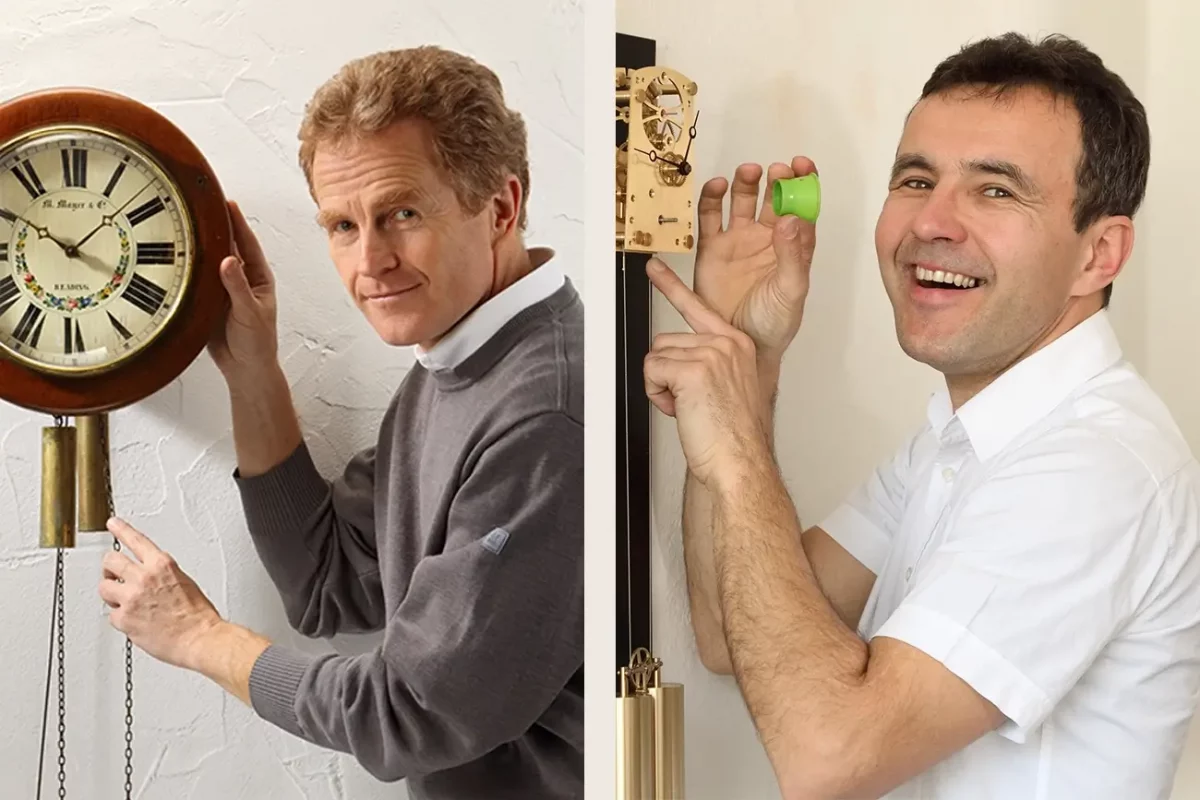
Adalbert and Clemens Mayer take over the company after completing their engineering training and gaining their first professional experience. Adalbert is responsible for the commercial side, Clemens for the technical tasks. New design ideas from Clemens Mayer and cooperation with important suppliers open up new customer groups at home and abroad.
1981- AMS is founded

AMS Uhrenfabrik A. Mayer GmbH becomes the successor to A. Mayer OHG. The brand name AMS – Andreas Mayer Schönenbach – is well established in the watch industry. It is based on a family business with dedicated employees. They are passionate about building watches of reliable quality and imaginative design.
1959/1965 – Growth
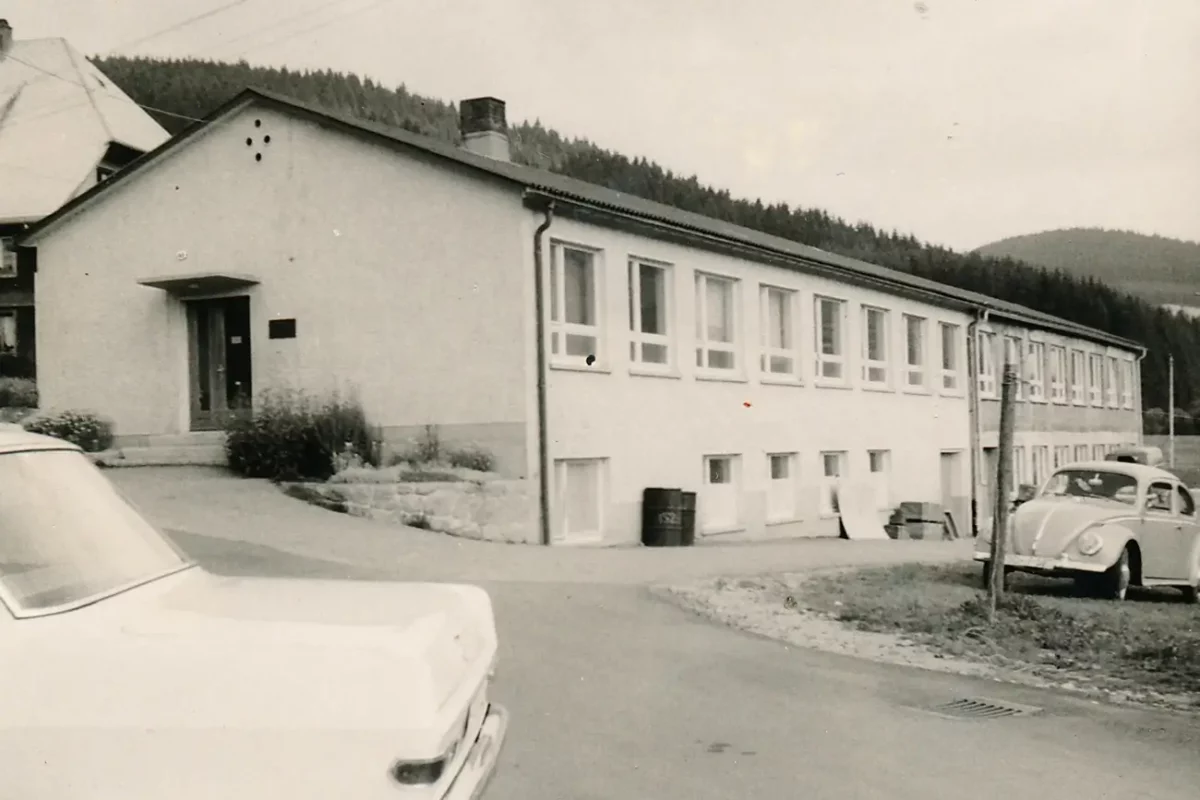
Heinrich Mayer develops the W120/W150 movement for home clocks with chain windings. Rising sales figures and clock deliveries, especially to Scandinavia and Australia, prompt the brothers to build a new factory in 1959 with a second construction phase in 1965.
1954 – CUCKOO CLOCK
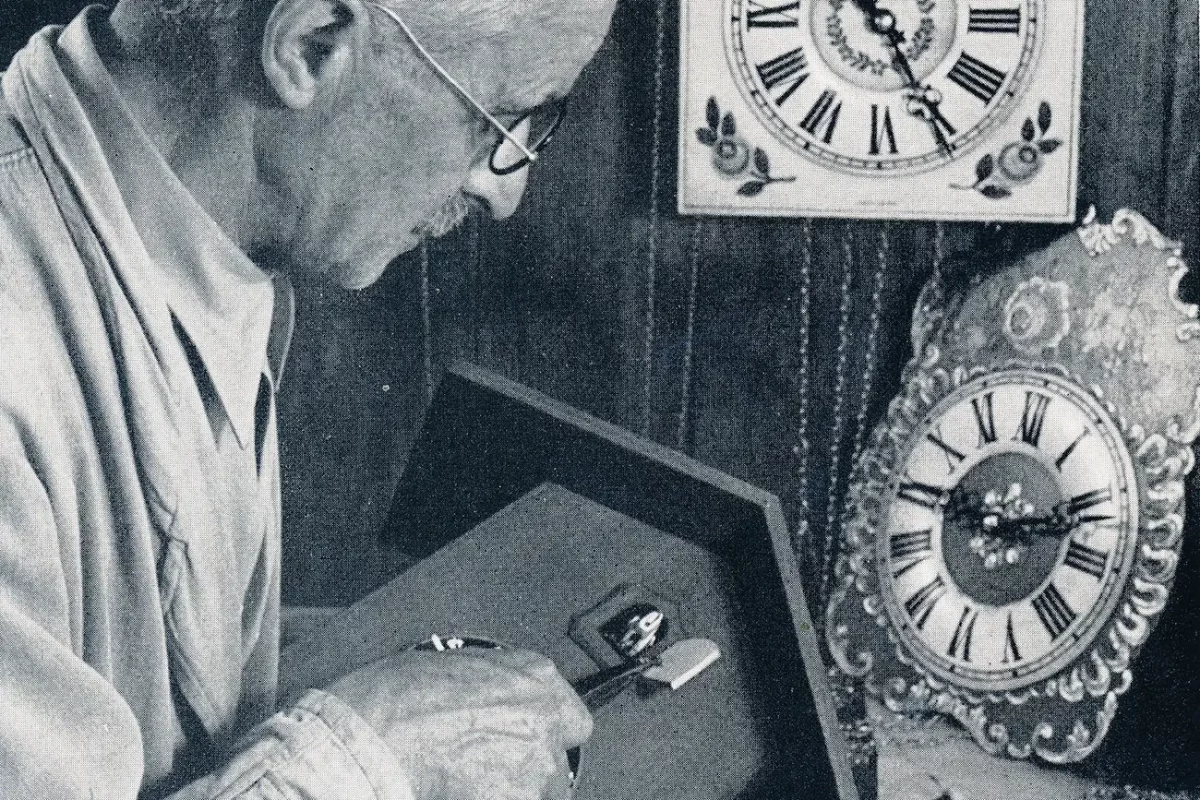
Heinrich and Konrad Mayer are trained as watchmakers and technicians at the watchmaking school in Furtwangen. A new start is made with the construction of cuckoo clocks for the American market. A utility model for cuckoo clocks with rotating dancing couple figures opens up new markets.
1922 – Company registration
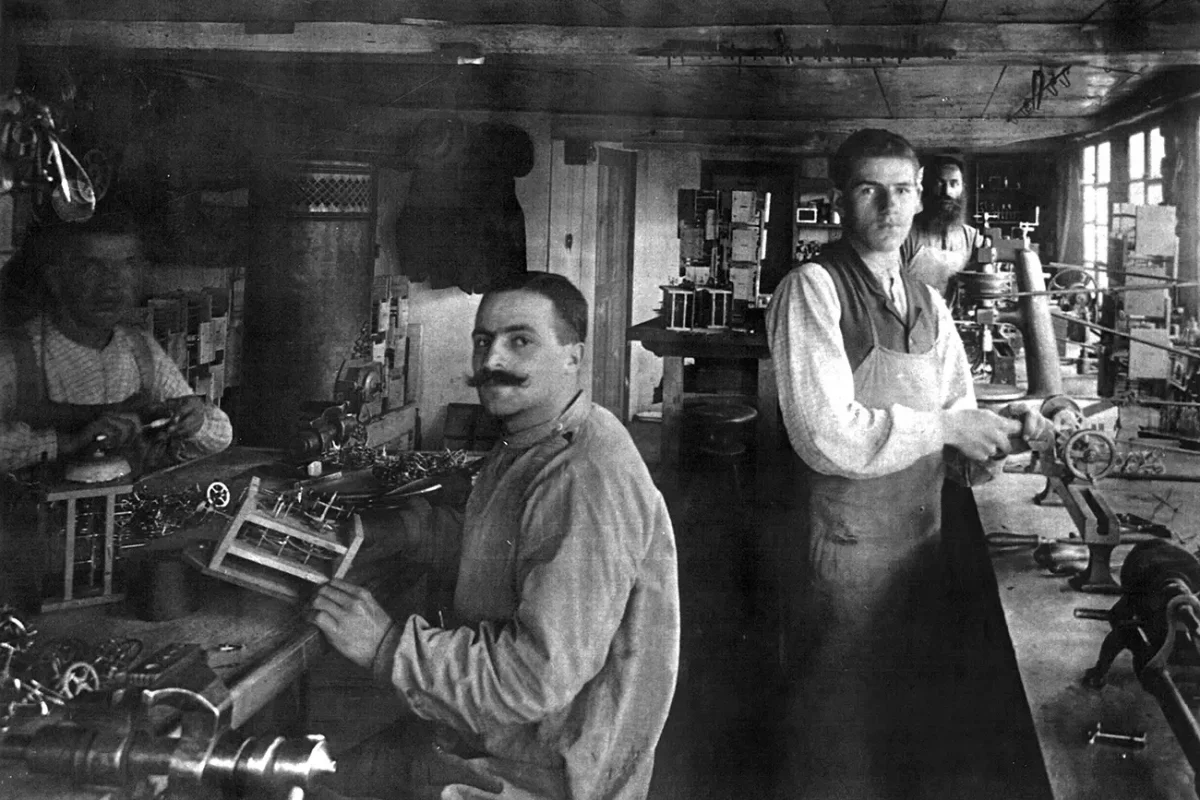
Alois Mayer founds the company A. Mayer OHG. For more than a hundred years, the watchmaking workshop is part of the Mayer family home
1900 – Mayerhaus
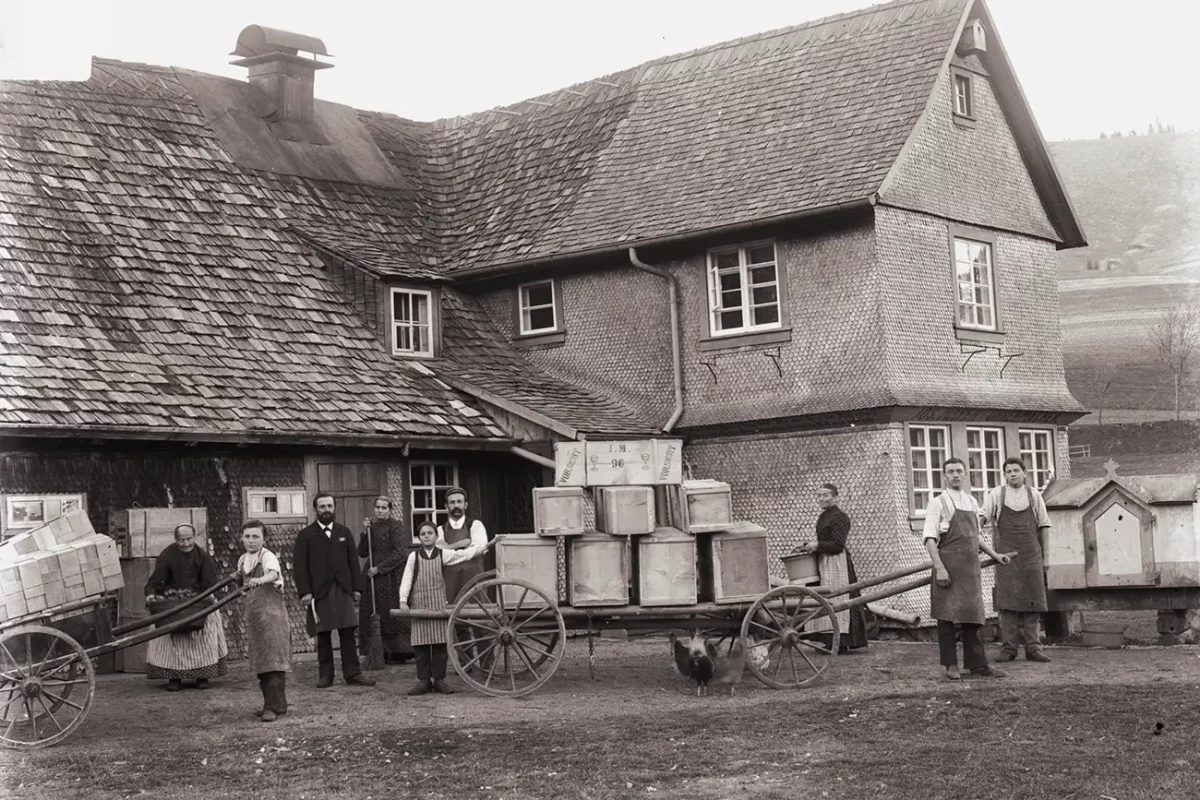
A proud family picture with a watch delivery ready for shipment to England shows the company as a watch consignor
1894 – Patent
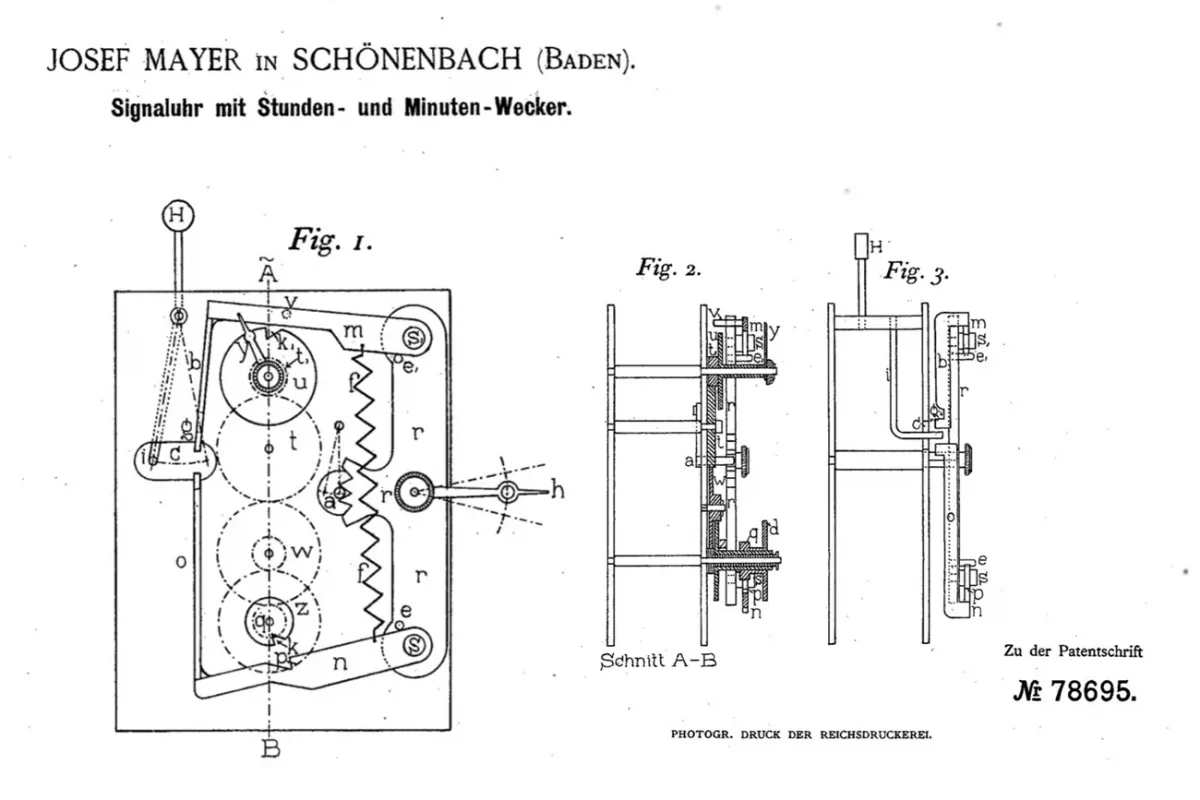
The Imperial Patent Office in Berlin grants Josef Mayer patent protection for his design of a wall clock with a double alarm function.
1890 – Music machine
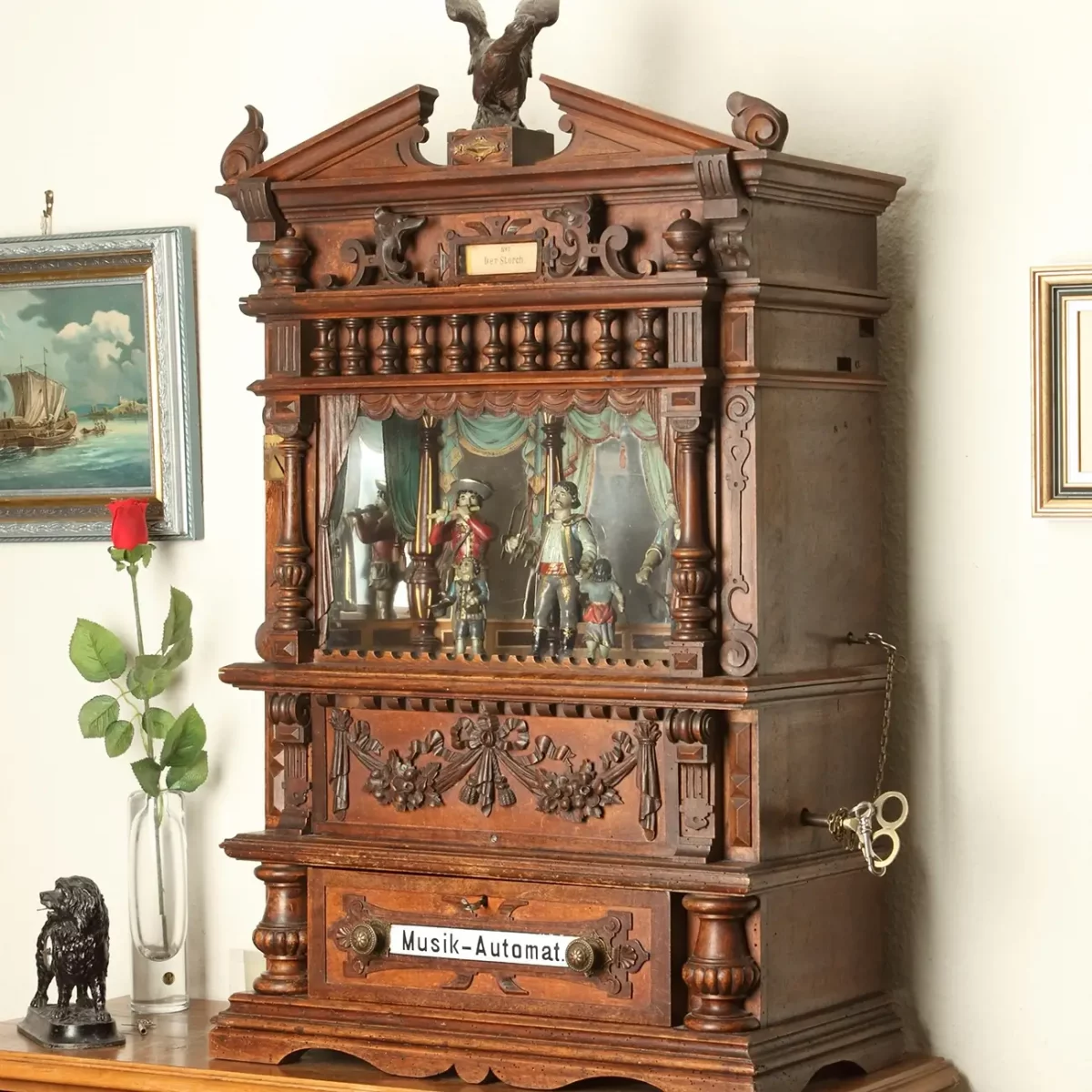
It should not stop at clocks. Josef Mayer produces finely designed music automations to complement the well-known range of clocks.
1841 – Official founding year
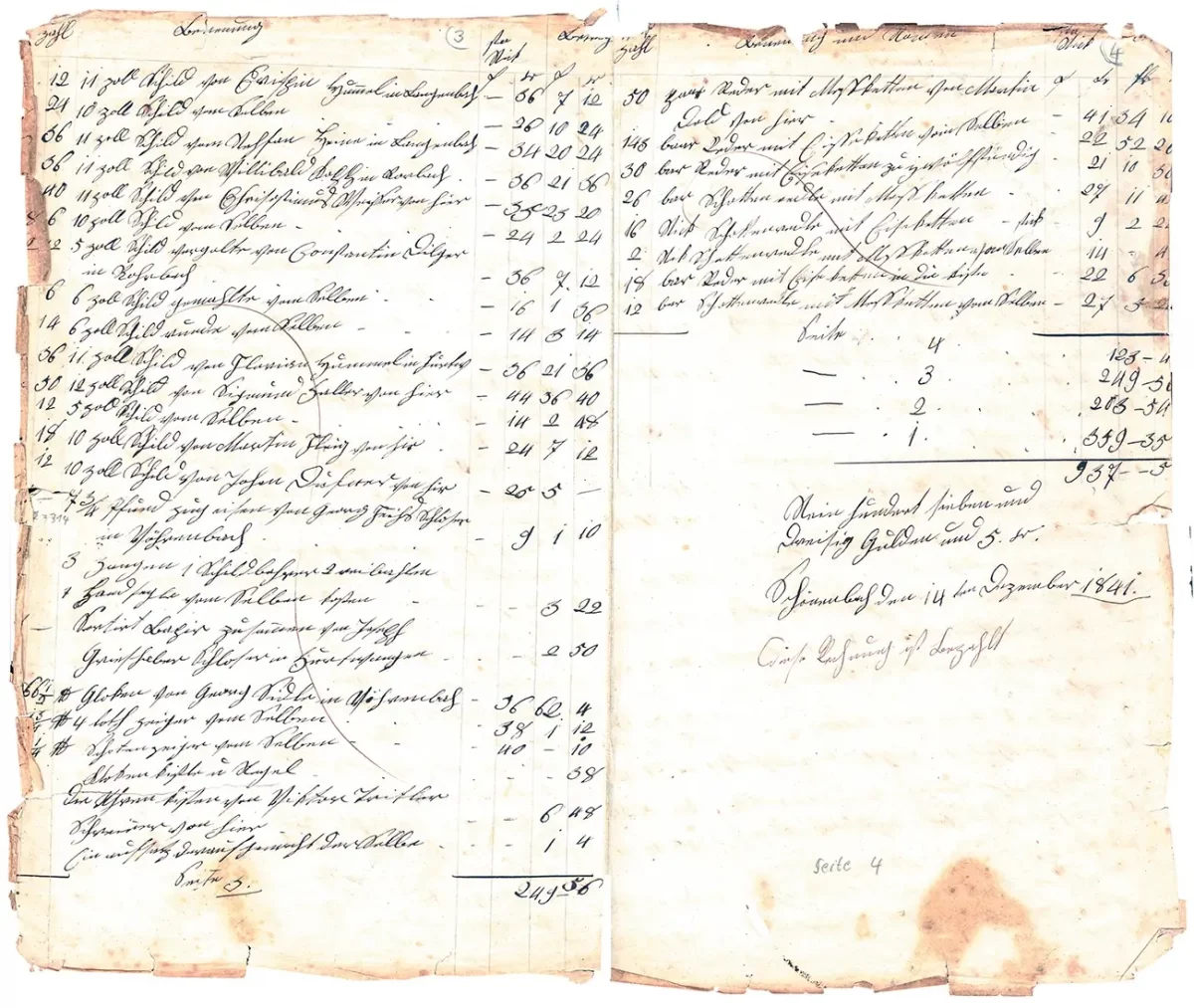
On December 14, 1841, Andreas Mayer writes the first invoice to his son German in London, which has survived to this day. Clocks and clock parts from his own production and from cooperating independent clockmakers and parts manufacturers to the value of 937.05 guilders were delivered.
1838 – German Mayer in England
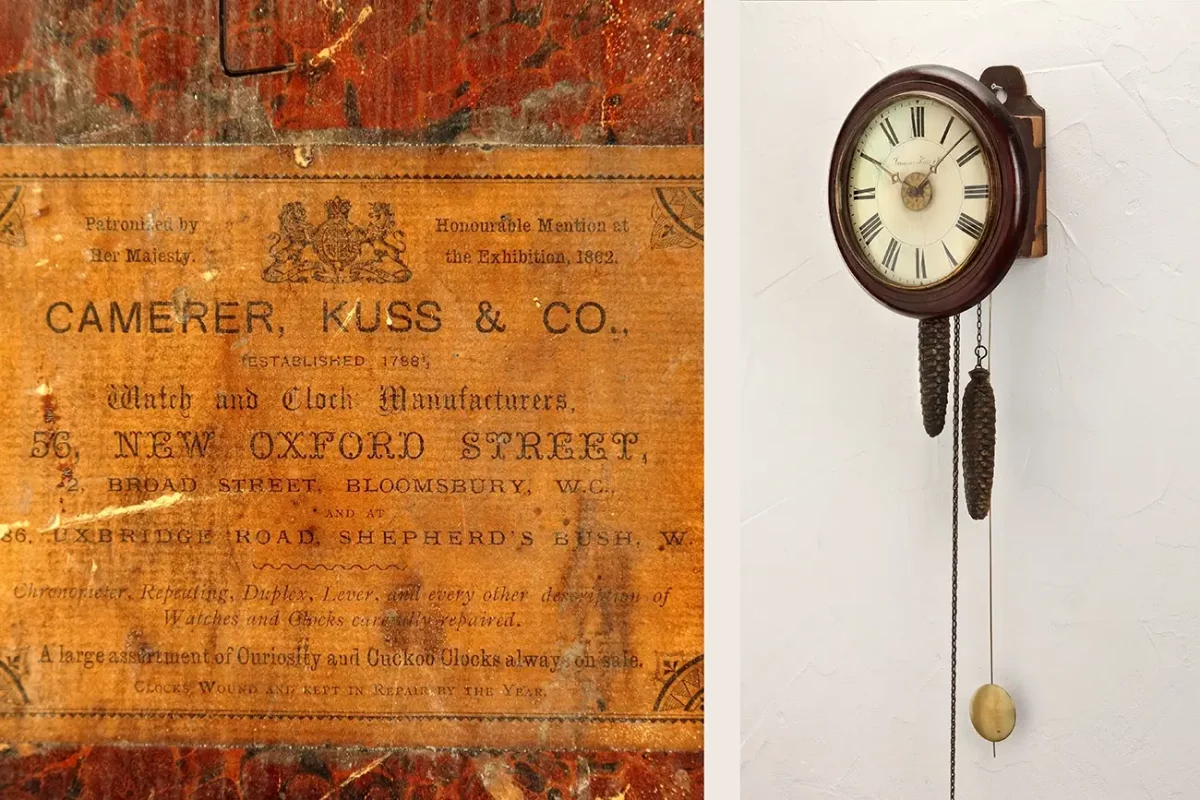
German Mayer traveled to England in 1838 and began a period of successful business activities as a clockmaker for the English market. From the 1850s onwards, he has his own collection of Postman Alarm Clocks, which are also sold through the Camerer & Kuss company in London. Founded by the Kuss family from the neighboring Rotenhof and the Kammerer family from Gründle in Schönenbach, this collaboration shows how diversely networked the clockmaking industry already was at this time.
1833 – Andreas Mayer builds the Mayerhaus
Andreas Mayer is said to have been a busy and capable entrepreneur, first as a shoemaker, then as a watch dealer and watch manufacturer. The Mayerhaus is followed by two other houses in the neighborhood.
1776 – First steps
Josef Mayer from Waldau becomes a watch dealer in Copenhagen